
Introduction
In today’s fast-moving world, checking the weather has become a part of everyday life. Whether you are planning a trip, going to work, or preparing for an outdoor activity, a weather app helps you make smart decisions.
These apps give you real-time updates, accurate forecasts, and helpful weather alerts. In this article, we will explore what makes a weather app useful, its top features, why people rely on it, and how to choose the best one for your needs.
This guide is written in a simple and general tone to help beginners and regular users understand everything about weather apps.
What Is a Weather App?
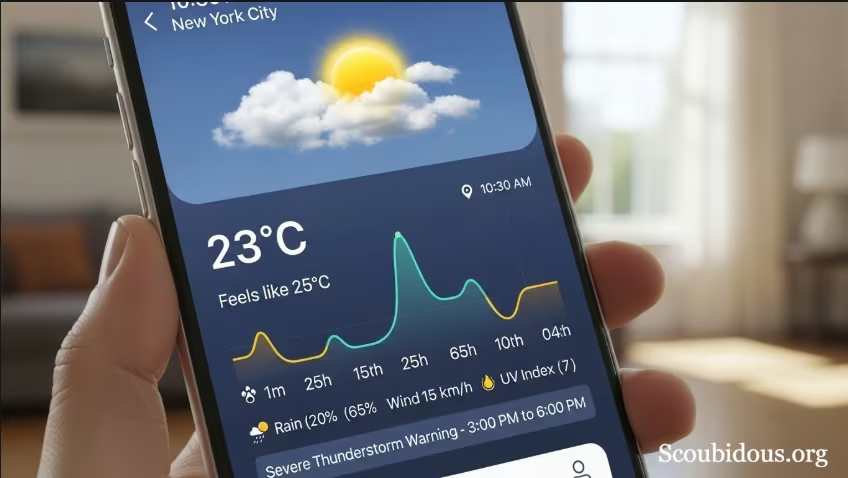
A weather app is a mobile application that provides weather information directly on your smartphone.
It uses data from satellites, weather stations, and climate models to show you details such as temperature, humidity, rainfall, wind speed, and air quality.
Most smartphones today come with a basic weather app, but many advanced apps offer more details and personalized features.
Why Do You Need a Weather App?
A weather app is helpful for many daily activities. Here’s why people rely on it:
- Plan your day easily
- Avoid bad weather like rain or storms
- Stay prepared for heatwaves or cold spells
- Track upcoming travel conditions
- Receive severe weather alerts
- Check air quality before going outdoors
With a reliable weather app, you can make quick and informed decisions without guessing the weather.
Key Features of a Good Weather App
When choosing a weather app, you may wonder what features matter the most. Below are the top features that make a weather app useful and reliable.
1. Real-Time Weather Updates
A good weather app provides instant updates. Weather can change quickly, and real-time information helps you stay prepared. You can check:
- Current temperature
- Wind speed
- Cloud cover
- Ongoing rain or storms
These updates make it easier to plan your schedule.
2. Hourly and Daily Forecasts
One of the most important features of a weather app is the ability to check forecasts for several hours or days. These forecasts include:
- Temperature predictions
- Expected rainfall
- Sunrise and sunset times
- Humidity levels
- Weather patterns for the next week
Hourly and daily forecasts help you make long-term plans.
3. Severe Weather Alerts
Weather apps often send instant notifications when extreme weather is expected. These alerts include:
- Storm warnings
- Heatwave notifications
- Heavy rainfall alerts
- Snowstorm warnings
- Flood alerts
This feature in a weather app is extremely useful for safety and preparedness.
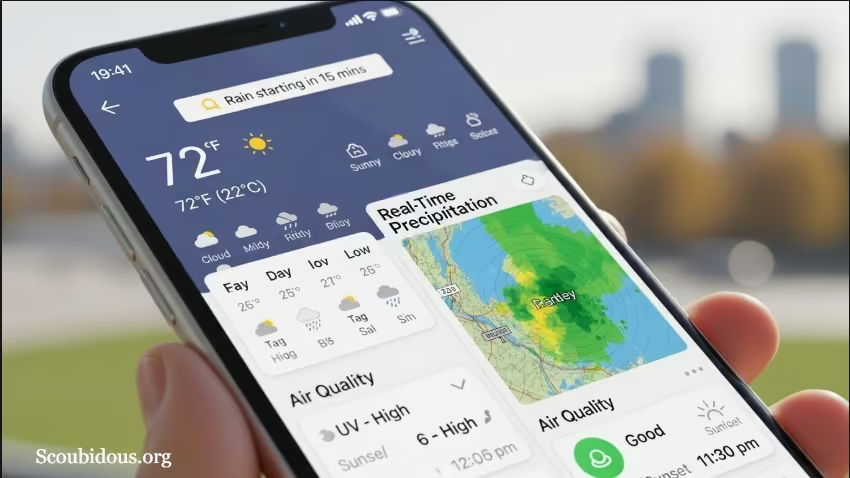
4. Radar and Satellite Maps
Many advanced weather apps have live weather maps. These maps show:
- Cloud movement
- Rain patterns
- Thunderstorm activity
- Snowfall areas
A weather app with radar maps helps you visually understand weather changes around your area.
5. Location-Based Forecasting
A weather app can automatically detect your location and deliver accurate results. You can also add multiple locations, such as:
- Your home
- Workplace
- Travel destination
- Family cities
This makes it easy to track weather across different places.
6. Air Quality Index (AQI)
Many people today care about air quality. A weather app with AQI helps you check:
- Air pollution levels
- Pollen count
- Dust or smoke alerts
- Outdoor activity recommendations
This feature is important for children, seniors, and people with allergies or breathing issues.
7. Simple and Clear Interface
A good weather app should be easy to use. The design must be simple, clean, and readable. Users should be able to check weather data quickly without scrolling too much.
8. Customizable Widgets
Weather widgets show information directly on your home screen. You can check:
- Temperature
- Rain alerts
- Weather conditions
With widgets, there is no need to open the app each time.
How to Choose the Best Weather App
With so many options available, choosing the right weather app can be confusing. Here are some tips to help you decide:
1. Check Forecast Accuracy
Look for a weather app that uses trusted global weather sources. Accurate information is the most important part of any weather app.
2. Choose One with Real-Time Alerts
A good weather app must provide fast and reliable notifications, especially for extreme weather conditions.
3. Look for Easy Navigation
Make sure the weather app is simple to use, especially if you check it multiple times a day.
4. Compare Extra Features
Some weather apps include:
- Widgets
- Air quality data
- Live radar maps
- Travel forecasts
Choose an app that fits your lifestyle.
5. Check Battery and Data Usage
A lightweight weather app is better because it won’t drain your phone battery or use too much data.
Common Uses of a Weather App in Everyday Life
People use weather apps for many purposes. Here are some common examples:
Planning Clothing Choices
Weather apps help you decide what to wear each day, such as:
- Light clothes for hot days
- Jackets for cold days
- Raincoats for wet days
Work and School Planning
A weather app helps families and workers prepare for delays or changes in plans caused by weather.
Outdoor Events and Sports
Coaches, athletes, and event organizers use weather apps to plan:
- Sports matches
- Picnics
- Weddings
- Festivals
Agricultural Use
Farmers rely heavily on weather apps to:
- Plan irrigation
- Protect crops
- Schedule harvesting
Emergency Preparedness
A weather app is essential during emergencies such as:
- Hurricanes
- Floods
- Wildfires
- Storms
It provides important alerts and updates.
Conclusion:
A weather app is more than just a tool. It is a daily companion that helps you plan your life, stay safe, and make informed decisions.
With features like real-time updates, radar maps, air quality reports, and severe weather alerts, a weather app keeps you prepared for anything.
Whether you need it for daily routines, travel, outdoor activities, or health awareness, a weather app is one of the most useful applications you can have on your phone.