
Introduction
Radon gas is a naturally occurring radioactive gas that can enter homes through cracks, floors, and foundations. Since it is invisible, odorless, and harmful to health, reducing radon levels becomes very important for every homeowner.
One of the most effective ways to control radon is by using radon reduction systems. But many people wonder how much these systems cost and what factors affect the price.
In this article, we will explore everything about radon reduction systems cost, the factors that influence the price, installation charges, maintenance needs, and whether investing in these systems is worth it.
What Are Radon Reduction Systems?
Radon reduction systems are specially designed setups that lower radon gas levels inside homes and buildings. They use fans, pipes, and sealing techniques to stop radon from entering and to push existing radon outside safely.
The most common system is sub-slab depressurization, which creates pressure under your home to prevent radon from rising.
Understanding radon reduction systems cost helps you plan the right budget for your home’s safety.
Why Radon Reduction Systems Are Important
Before discussing radon reduction systems cost, it is important to understand why these systems matter.
Radon exposure over a long time can increase the risk of lung problems. Many homes across the world have radon levels higher than recommended. A radon reduction system helps:
- Control radon levels
- Protect family health
- Improve indoor air quality
- Increase home value
- Pass safety inspections
Since radon is a hidden danger, installing a radon reduction system is one of the best ways to ensure a healthy living environment.
Average Radon Reduction Systems Cost
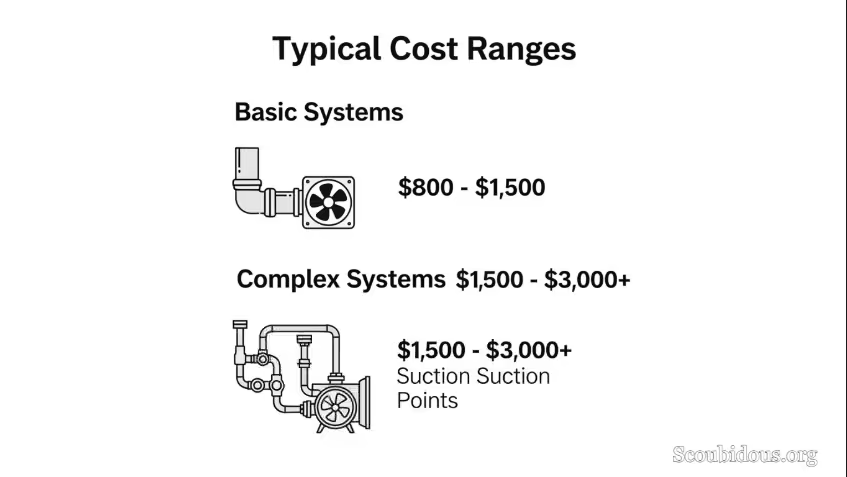
The average radon reduction systems cost usually ranges between $800 and $2,500. However, several factors influence the final price.
Simple systems cost less, while complex setups with more equipment can increase the total amount.
Here is a quick overview:
- Basic radon reduction system cost: $800–$1,200
- Standard system cost: $1,200–$1,800
- Advanced or custom systems cost: $1,800–$2,500 or more
These prices include materials, labor, testing, and installation.
Factors That Affect Radon Reduction Systems Cost
The radon reduction systems cost depends on many factors. Every home is different, so the system must be customized according to the structure and radon levels.
1. Home Size
Larger homes usually need bigger systems with more pipes and stronger fans, which increases cost.
2. Radon Levels Before Installation
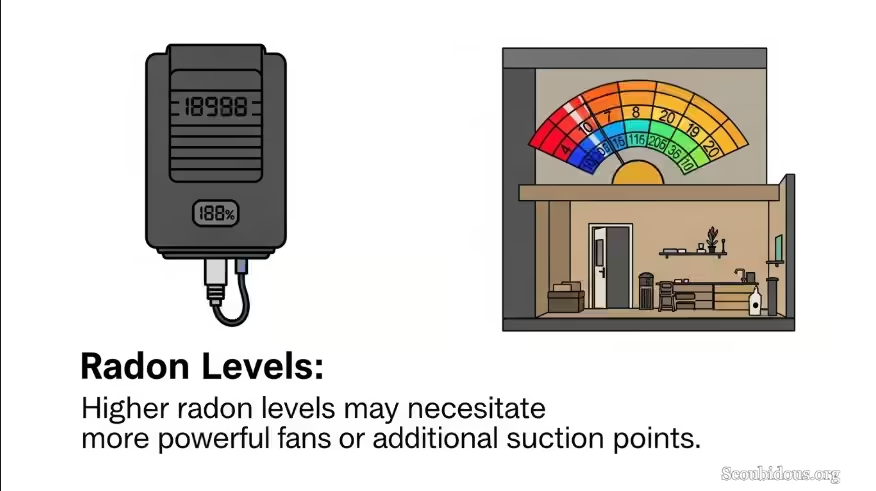
If radon levels are very high, you may need a more powerful system, which adds to the total cost.
3. Type of Foundation
Different foundations affect installation difficulty:
- Slab foundation
- Crawl space
- Basement
Some foundations require extra sealing or pipes, impacting radon reduction systems cost.
4. System Type
Some homes need simple systems, while others require advanced ones with additional components like alarms, thicker pipes, or multiple fans.
5. Labor Charges
The experience of the technician and the region you live in can influence labor costs.
6. Additional Repairs
If there are cracks or holes in the foundation, they must be sealed before installation. This extra work affects the final price.
Types of Radon Reduction Systems and Their Costs
Understanding the different system types will help you understand the radon reduction systems cost better.
1. Sub-Slab Depressurization System
This is the most common and effective method.
Cost range: $1,200–$2,000
It works by pulling radon from beneath the house and venting it outside.
2. Crawl Space System
For houses with crawl spaces, a special membrane is installed along with pipes and fans.
Cost range: $1,500–$2,500**
This system requires more materials, making it more expensive.
3. Sump Pump-Based System
If your home has a sump pump, it can be integrated into the radon reduction system.
Cost range: $1,000–$1,800**
4. Passive Radon Reduction System
These systems do not use a fan and rely on natural air movement.
Cost range: $500–$1,000**
This is cheaper but less effective and often needs upgrading.
Maintenance Costs for Radon Reduction Systems
Maintenance is usually simple and inexpensive. However, it is important for safety and efficiency.
Typical maintenance costs:
- Fan replacement: $150–$300 (every 5–10 years)
- Annual inspection: $100–$200
- Re-testing radon levels: $100–$250
These costs are small compared to the health benefits the system provides.
Is Radon Reduction System Worth the Cost?
Many homeowners wonder if the radon reduction systems cost is worth it. The answer is yes, especially if your home has high radon levels.
Benefits that make it worthwhile:
- Improved health and reduced risks
- Higher property value
- Compliance with safety standards
- Better indoor air quality
In many cases, radon reduction can also reduce moisture problems and improve the home environment overall.
Ways to Reduce Radon Reduction Systems Cost
If you want to lower the total radon reduction systems cost, here are some tips:
1. Compare multiple quotes
Different contractors offer different prices. Getting 2–3 quotes can help you get the best deal.
2. Choose the right system
A more expensive system is not always better. Choose one that suits your home type.
3. Fix cracks before installation
Fixing small cracks yourself can save money on labor charges.
4. Use existing sump pumps
If your home has a sump pump, it can be used in the system, reducing installation costs.
5. Conduct basic testing yourself
DIY testing kits can save you money before going for professional tests.
Signs You Need a Radon Reduction System
You should consider installing a radon reduction system if:
- Your radon test shows levels higher than recommended
- You are buying or selling a home and need safety clearance
- You experience moisture issues in basements
- Your home has poor ventilation
Even if radon levels are moderate, a reduction system can bring peace of mind.
Future Trends in Radon Reduction Technology
Technology is improving rapidly, and future radon systems may offer even more benefits.
Future improvements may include:
- Smart radon monitoring devices
- Energy-efficient fans
- Low-maintenance systems
- Automated radon detection
- Better sealing materials
These advancements may also reduce radon reduction systems cost in the future.
Conclusion:
Understanding radon reduction systems cost helps homeowners make informed decisions about protecting their families.
While costs can vary based on home size, radon levels, and system type, investing in a radon reduction system is always a smart choice for long-term health and safety.
The cost may seem high at first, but the benefits—cleaner air, safer home, and peace of mind—make it worth every dollar. Whether your home has a crawl space, basement, or slab foundation, there is a radon reduction system that fits your needs and budget.