
Introduction
An ECG abnormal report can be worrying, especially for people who do not understand medical terms. When you see words like irregular heartbeat, arrhythmia, or abnormal rhythm, it is natural to feel stressed.
But not all abnormal ECG results indicate a serious problem. Many abnormalities are temporary, mild, or related to simple issues like stress, dehydration, or incorrect lead placement.
In this detailed and easy-to-understand guide, we explain what an ECG abnormal report means, why it happens, what types of abnormalities exist, and what steps you should take next.
What Is an ECG?
ECG stands for Electrocardiogram. It is a simple, painless test that measures:
- Heartbeat rhythm
- Heart rate
- Electrical activity of the heart
- Strength and timing of heart signals
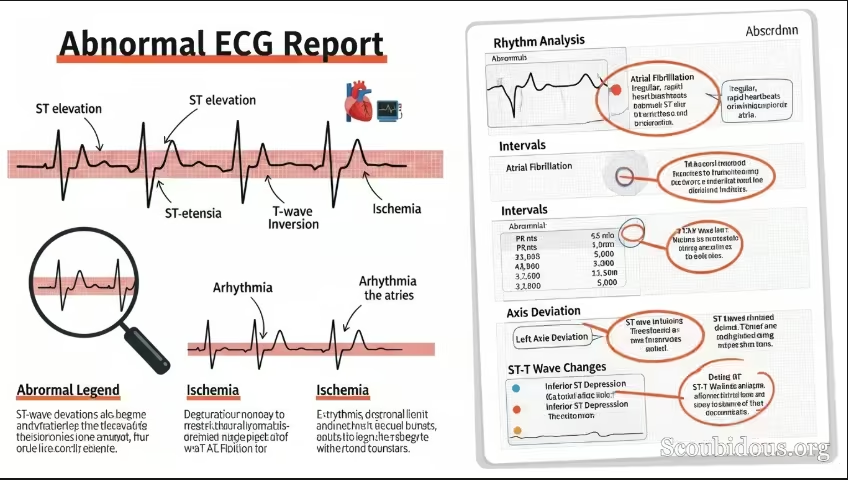
The ECG graph shows lines and waves that represent how the heart is working. When something does not look normal, the result is called an ECG abnormal report.
What Does an ECG Abnormal Report Mean?
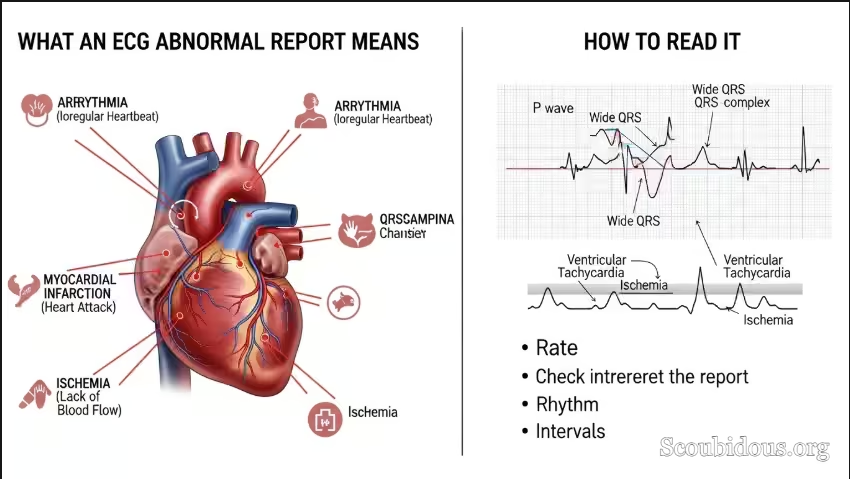
An ECG abnormal report means the electrical activity of the heart is not exactly within normal range.
It does NOT always mean heart disease. In many cases, abnormalities are minor and need further evaluation.
An abnormal ECG may indicate:
- Irregular heartbeat
- Slow or fast heart rhythm
- Extra beats or skipped beats
- Thickened heart muscle
- Old or new heart injury
- Problems with heart valves
- Electrolyte imbalance
The meaning depends on the specific abnormal pattern the machine detects.
Why ECG Abnormal Report Happens
There are many reasons why you may receive an ECG abnormal report. Some reasons are serious, while others are harmless and temporary.
Here are the most common causes:
1. Stress and Anxiety
Stress can affect your heartbeat and produce an abnormal pattern on ECG.
2. Dehydration
Low fluids can cause rapid heart rate or irregular heartbeat.
3. High Blood Pressure
Long-term high blood pressure can change heart structure, leading to an ECG abnormal report.
4. Electrolyte Imbalances
Low or high levels of potassium, magnesium, or calcium can affect heart signals.
5. Heart Rhythm Disorders (Arrhythmias)
These include:
- Atrial fibrillation
- Atrial flutter
- PVCs (extra beats)
- Tachycardia (fast heartbeat)
- Bradycardia (slow heartbeat)
These are commonly found in abnormal ECG reports.
6. Structural Heart Problems
Conditions like:
- Enlarged heart
- Thickened heart muscle
- Cardiomyopathy
These often show up as abnormalities.
7. Previous Heart Attack
Old heart damage can show in the ECG, even if you feel normal now.
8. Poor Electrode Placement
Sometimes the ECG pads are not placed properly, causing a false abnormal report.
9. Medications
Some medicines affect heart rhythm and may trigger abnormal patterns.
Common Terms Seen in an ECG Abnormal Report
Understanding the terms in an ECG abnormal report helps reduce confusion. Below are common terms and what they may mean in simple language.
1. Arrhythmia
This means the heartbeat is irregular. It may be fast or slow.
2. Tachycardia
A fast heartbeat, usually more than 100 beats per minute.
3. Bradycardia
A slow heartbeat, less than 60 beats per minute.
4. ST Segment Changes
These may indicate:
- Lack of oxygen to the heart
- Previous or current heart attack
- Heart muscle strain
5. PVCs (Premature Ventricular Contractions)
These are extra beats. Many people have them and they are usually harmless.
6. Atrial Fibrillation
Irregular and fast heartbeat coming from upper chambers of the heart.
7. Left Ventricular Hypertrophy
Thickening of the heart muscle, often caused by high blood pressure.
8. Bundle Branch Block
A delay in electrical signals passing through the heart.
9. QT Prolongation
This may be related to medications or electrolyte problems.
Types of ECG Abnormal Report Results
Different abnormalities indicate different issues. Here are the most common types.
1. Rhythm Abnormalities
These include:
- Fast heartbeat
- Slow heartbeat
- Irregular heartbeat
These are the most frequent reasons behind an ECG abnormal report.
2. Structural Abnormalities
When the heart muscle is thick or enlarged, the ECG waves look different.
3. Ischemic Changes
This means the heart may not be receiving enough oxygen.
4. Conduction Abnormalities
These indicate delays in electrical signals.
5. Non-Specific Changes
Sometimes the report says “non-specific ECG abnormality.”
This means the ECG is slightly different but not clearly linked to a disease.
Symptoms That May Be Linked to an ECG Abnormal Report
Some people with abnormal ECG results have symptoms, while others feel completely normal.
Possible symptoms include:
- Chest pain
- Shortness of breath
- Dizziness
- Fainting
- Skipped heartbeats
- Fatigue
- Palpitations
If you received an ECG abnormal report along with these symptoms, it is important to get proper evaluation.
Is an ECG Abnormal Report Always Serious?
No. Many ECG abnormalities are not dangerous. Common harmless reasons include:
- Stress
- Lack of sleep
- Caffeine
- Physical exertion
- Anxiety
- Minor rhythm variations
However, certain patterns may require further investigation. This is why doctors look at symptoms, medical history, and perform additional tests.
What to Do If You Receive an ECG Abnormal Report
Here are the simple steps to follow:
1. Stay Calm
An abnormal report does not always mean a heart problem.
2. Understand the Explanation
Ask for a clear explanation of what is abnormal in your ECG.
3. Share Your Symptoms
Tell the doctor if you have chest pain, dizziness, or palpitations.
4. Review Your Medications
Some medicines affect heart rhythm.
5. Ask for Additional Tests if Needed
Doctors may suggest:
- Repeat ECG
- Holter monitor (24-hour recording)
- Stress test
- Echocardiogram
- Blood tests
These help confirm whether the ECG abnormal report is accurate or just a temporary issue.
Lifestyle Factors That Can Improve ECG Results
If your ECG abnormal report is related to lifestyle, simple changes may help:
1. Reduce Stress
Practice relaxation exercises and deep breathing.
2. Eat a Balanced Diet
Include heart-friendly foods like fruits, vegetables, and whole grains.
3. Stay Hydrated
Low hydration can affect heartbeat.
4. Limit Caffeine and Alcohol
Both can trigger irregular heartbeats.
5. Exercise Regularly
Light to moderate exercise improves heart function.
6. Get Enough Sleep
Poor sleep affects heart rhythm.
Who Is More Likely to Have an ECG Abnormal Report?
Some people are more likely to receive an abnormal ECG, including:
- Older adults
- People with high blood pressure
- Diabetics
- Smokers
- People with high cholesterol
- Those with family history of heart disease
- Individuals who consume too much caffeine
- People under high stress
Frequently Asked Questions About ECG Abnormal Report
1. Can an ECG abnormal report be wrong?
Yes. Technical errors and poor electrode placement can cause false results.
2. Does an abnormal ECG mean heart attack?
Not always. Many other conditions can cause abnormalities.
3. Can stress cause an abnormal ECG?
Yes, stress can temporarily change heart rhythm.
4. How often should I repeat ECG tests?
Follow your doctor’s advice based on symptoms and medical history.
5. Can a normal ECG still miss heart problems?
In some cases yes, which is why additional tests may be recommended.
Conclusion:
Receiving an ECG abnormal report can be stressful, but it is important to remember that many abnormalities are harmless and temporary. An ECG is only one part of heart evaluation.
With proper explanation, lifestyle adjustments, and additional testing when needed, most people can manage or correct the underlying issue easily.
An ECG abnormal report is not a final diagnosis—it is simply an important signal to look deeper and take care of your heart health