
Introduction
Digital dropshipping is becoming one of the most popular online business models in today’s digital economy.
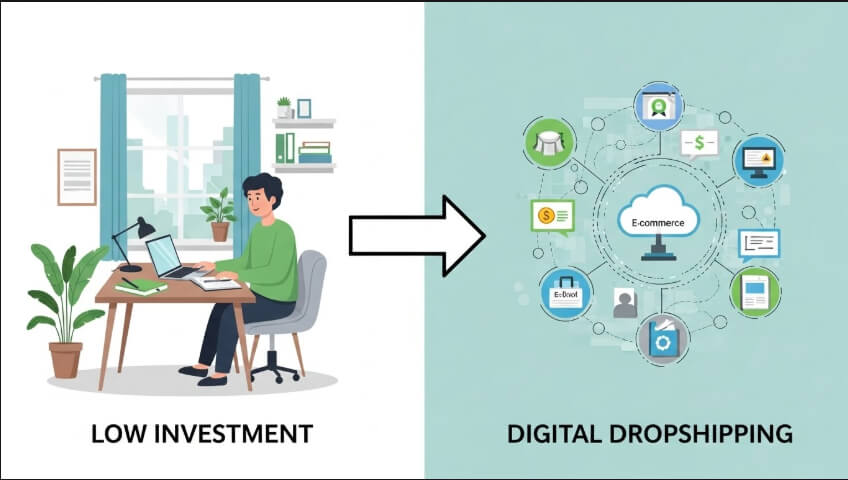
Unlike traditional e-commerce, digital dropshipping allows you to sell digital products without holding inventory or managing shipping. This model is attractive to beginners because it requires low startup costs and minimal risk.
In this guide, we will explain what digital dropshipping is, how it works, its benefits, challenges, and how you can start successfully.
What Is Digital Dropshipping?
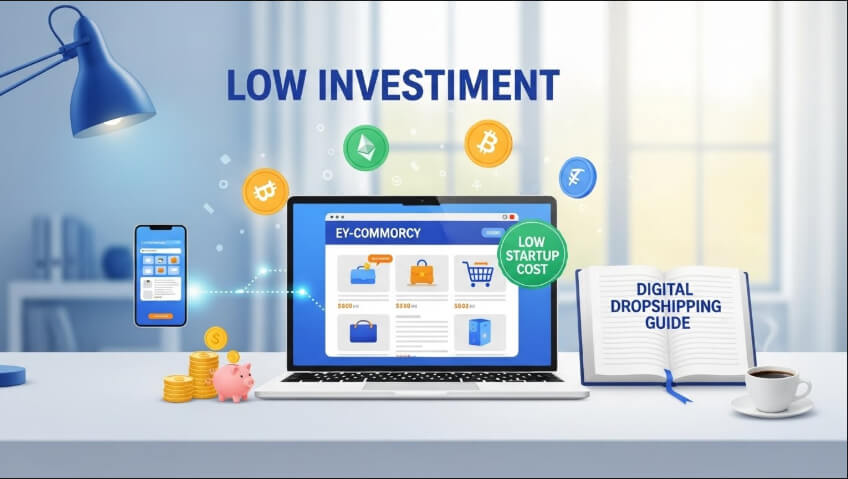
Digital dropshipping is the process of selling digital products such as ebooks, software, templates, courses, or digital services without creating or storing the products yourself.
When a customer makes a purchase, the digital product is delivered automatically.
Because digital items do not require physical shipping, digital dropshipping is faster, more scalable, and easier to manage than physical product dropshipping.
How Digital Dropshipping Works
Choosing Digital Products
The first step in digital dropshipping is selecting digital products that people want to buy. These products should solve a problem or provide value, such as learning resources or productivity tools.
Partnering With Digital Product Suppliers
In digital dropshipping, suppliers provide ready-made digital products. Once a sale is made, the product is delivered directly to the customer without your involvement.
Automated Delivery System
One of the biggest advantages of digital dropshipping is automation. After payment, customers instantly receive their digital products through email or download access.
Why Digital Dropshipping Is Popular
Low Startup Costs
Digital dropshipping does not require purchasing inventory or paying for storage. This makes it affordable for beginners and small businesses.
No Shipping or Logistics
Since products are digital, there are no shipping delays, damaged items, or return hassles. Everything happens online.
High Profit Margins
Digital products have no production or shipping costs per unit. This allows higher profit margins compared to physical products.
Global Market Access
With digital dropshipping, you can sell to customers anywhere in the world without worrying about delivery issues.
Types of Products in Digital Dropshipping
Ebooks and Guides
Ebooks are among the most common digital dropshipping products. They are easy to distribute and highly in demand.
Online Courses
Digital courses covering skills, business, fitness, or personal growth are popular and profitable.
Software and Tools
Software products, plugins, and applications work well in digital dropshipping due to their high value.
Digital Templates and Designs
Templates for resumes, websites, presentations, and social media are widely used and easy to sell.
Benefits of Digital Dropshipping
Easy to Start
Digital dropshipping requires basic technical knowledge and minimal investment. Anyone with internet access can start.
Scalable Business Model
You can sell unlimited copies of a digital product without increasing costs.
Instant Customer Satisfaction
Customers receive their products instantly, improving satisfaction and trust.
Flexible Work Environment
Digital dropshipping allows you to work from anywhere and manage your business on your schedule.
Challenges in Digital Dropshipping
High Competition
Because digital dropshipping is easy to start, many sellers enter the market. Standing out requires quality products and good marketing.
Digital Product Piracy
Digital products can be copied or shared illegally. Strong protection and clear policies help reduce this risk.
Customer Support Expectations
Customers expect quick support since delivery is instant. Prompt communication is essential.
Quality Control
You must ensure that the digital products you sell are high quality and updated regularly.
How to Start Digital Dropshipping
Step 1: Select a Profitable Niche
Choose a niche where people actively search for digital solutions. Focus on problems you can help solve.
Step 2: Find Reliable Digital Suppliers
Work with suppliers who offer quality digital products and allow resale or dropshipping rights.
Step 3: Set Up an Online Store
Create a simple online store where customers can browse and purchase your digital products easily.
Step 4: Automate Delivery and Payments
Automation tools help deliver products instantly and manage payments smoothly.
Step 5: Market Your Digital Products
Use content marketing, email marketing, and social media to promote your digital dropshipping business.
Digital Dropshipping vs Physical Dropshipping
Digital dropshipping eliminates shipping, storage, and inventory costs. Physical dropshipping requires managing suppliers, delivery times, and product returns.
Digital dropshipping offers faster setup, higher profits, and fewer operational challenges.
Best Marketing Strategies for Digital Dropshipping
Content Marketing
Creating helpful content builds trust and attracts organic traffic to your store.
Email Marketing
Email marketing helps nurture leads and promote new digital products.
Social Media Promotion
Social platforms are powerful for showcasing digital products and engaging audiences.
Paid Advertising
Paid ads can bring fast results when targeted correctly, especially for high-value digital products.
Legal and Ethical Considerations
Licensing and Resale Rights
Ensure you have legal rights to sell the digital products you offer.
Refund Policies
Clear refund and usage policies help build trust and reduce disputes.
Data Privacy
Protect customer data and follow basic privacy guidelines.
Conclusion:
Digital dropshipping is a powerful and beginner-friendly online business model. It offers low startup costs, high profit potential, and global reach.
While competition and product quality are important challenges, proper planning and marketing can lead to long-term success.
With the right approach, digital dropshipping can become a sustainable and profitable online business.