
Introduction
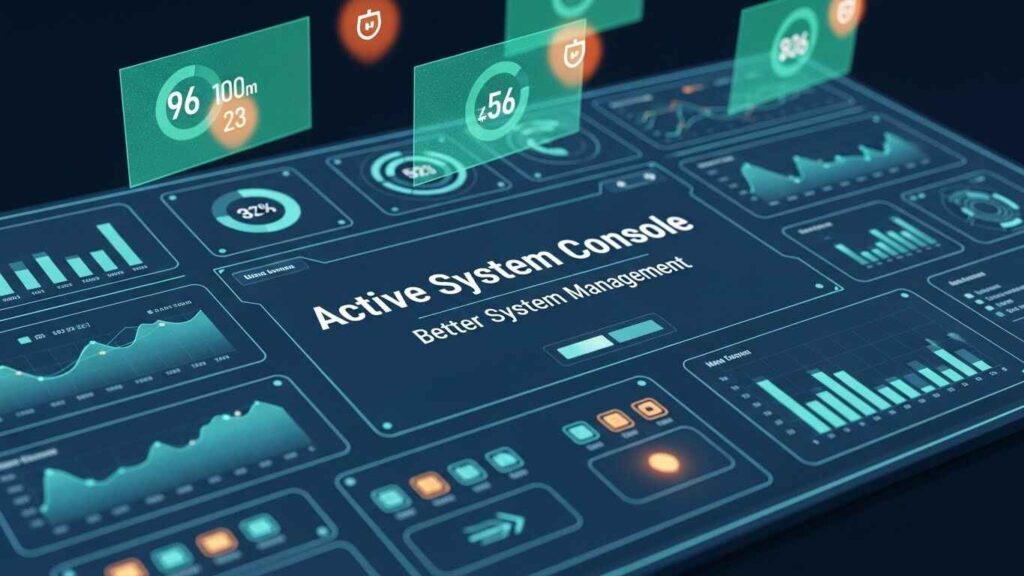
Managing systems, monitoring performance, and solving issues on time are important for both organizations and individuals. One tool that helps make this process simple is the Active System Console.
It gives administrators a centralized space where they can view, control, and track system activities. In this article, you will learn everything about the Active System Console, including its features, benefits, uses, and how it helps improve system performance.
What Is Active System Console?
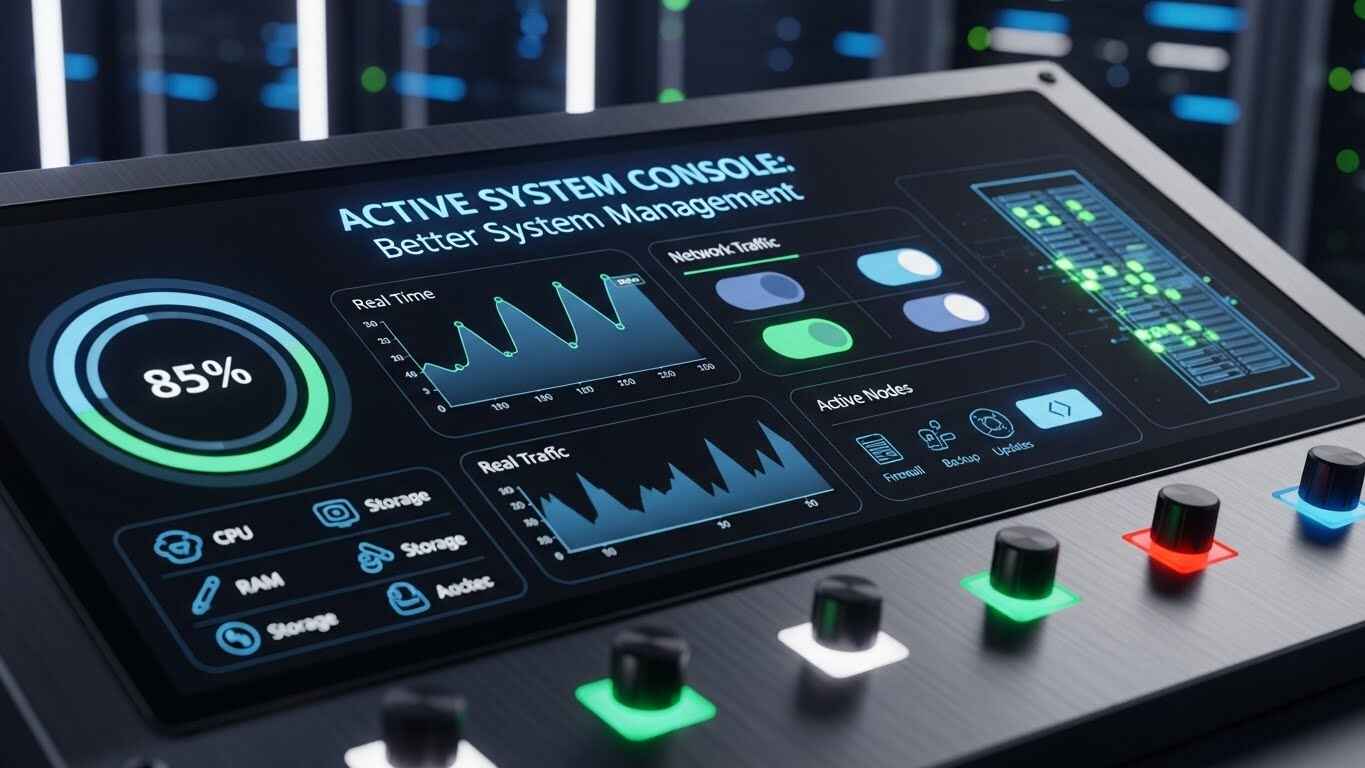
The Active System Console is a system management tool used to monitor and manage different components of a computer or network. It helps track performance, identify errors, and gives real-time updates.
Whether used in a small office or a large organization, the Active System Console keeps everything organized and functioning properly.
This console is usually found in environments where continuous monitoring is required, such as servers, workstations, and cloud systems.
Why the Active System Console Matters
Using the Active System Console is important because it improves visibility into system behavior. Instead of checking each device manually, administrators can manage multiple systems from a single screen.
This saves time, reduces mistakes, and ensures smooth operations.
It also helps detect issues early so that they can be fixed before they become bigger problems. For example, alerts from the Active System Console can notify you when storage is low or when a device is overheating.
Key Features of the Active System Console
The Active System Console offers many useful features that make system management easier. Some of the most common features include:
1. Real-Time Monitoring
The console provides live updates about system performance. You can view CPU usage, memory load, network activity, and more. This helps administrators take quick action when a problem starts.
2. Centralized Dashboard
A clear dashboard is one of the biggest advantages of the Active System Console. All information is displayed in one place so users can easily manage multiple devices and systems at the same time.
3. Alerts and Notifications
The console sends alerts when something goes wrong. Whether it is high usage, hardware failure, or software error, you get notified immediately.
4. Performance Tracking
The Active System Console stores performance history. This allows users to review past data, analyze issues, and plan improvements based on trends.
5. User Management
Administrators can add, remove, or edit user access. This ensures that only authorized individuals can control or view sensitive data.
6. Error Logs
The console records all errors and system activities. These logs help with troubleshooting and improving overall system reliability.
How the Active System Console Works
The Active System Console works by collecting data from different system components and displaying it on an easy-to-read interface.
It communicates with devices through a network connection and gathers performance metrics such as speed, storage, temperature, and activity.
Here’s a simple explanation of how it works:
- Connects with system components
- Collects real-time data
- Processes this data for analysis
- Displays information on the dashboard
- Sends alerts when issues appear
This process helps users understand system health quickly and take fast action when needed.
Types of Systems That Use Active System Console
The Active System Console can be used for managing different types of systems, including:
1. Server Systems
Servers need constant monitoring to handle heavy tasks. The console helps track server health and performance.
2. Cloud Platforms
Cloud service providers use system consoles to maintain uptime and manage data centers.
3. Workstations
Businesses that rely on work computers use the Active System Console to ensure smooth performance.
4. Network Devices
Routers, switches, and firewalls can also be monitored through this console.
5. Industrial Machines
Factories use specialized consoles to monitor machines and maintain production efficiency.
Common Uses of Active System Console
The Active System Console is commonly used for:
- Monitoring server health
- Checking hardware performance
- Managing users and permissions
- Receiving system notifications
- Troubleshooting system issues
- Scheduling system updates
- Tracking system history
In many businesses, this console becomes a daily tool that helps keep everything running smoothly.
How to Use Active System Console Effectively
Using the Active System Console requires simple steps, but being organized helps you get the best results:
1. Set Up Alerts
Configure alerts for key events like low memory, overheating, or failed backups.
2. Check the Dashboard Regularly
Make it a habit to view the dashboard to ensure all systems are working properly.
3. Monitor Performance Trends
Use the history data to understand long-term performance and predict future needs.
4. Keep User Permissions Updated
Only give access to users who need it. This improves security.
5. Use Logs for Troubleshooting
Error logs can quickly identify the cause of system issues.
Challenges of Active System Console
Although the Active System Console is helpful, it also comes with some challenges:
1. Requires Training
New users may need time to understand all features.
2. Can Be Overwhelming
The amount of data shown on the console can be too much for beginners.
3. Needs Regular Updates
To stay effective, the console must be updated with new tools and security patches.
4. Hardware Limitations
If older devices are used, the console may not show accurate performance data.
Future of Active System Console Technology
The future for Active System Console tools is promising. As technology improves, system consoles will become more powerful, automated, and easier to use.
Key future trends:
- More use of artificial intelligence
- Automated issue detection and repair
- Cloud-based console dashboards
- Better integration with smart devices
- Faster data processing
These updates will make system management even simpler and more reliable.
Conclusion:
The Active System Console is a powerful tool that helps users monitor, manage, and control system performance from one place. Whether you are using it for servers, computers, or networks, it makes daily tasks easier and more efficient.
With its real-time monitoring, alerts, logs, and performance analysis, it has become an essential part of modern system management.
If you want smooth performance, early issue detection, and better system control, the Active System Console is one of the best tools you can use.