
Introduction
The MCV blood test is an important part of your complete blood count (CBC). Many people see it on their medical reports but do not fully understand what it means.
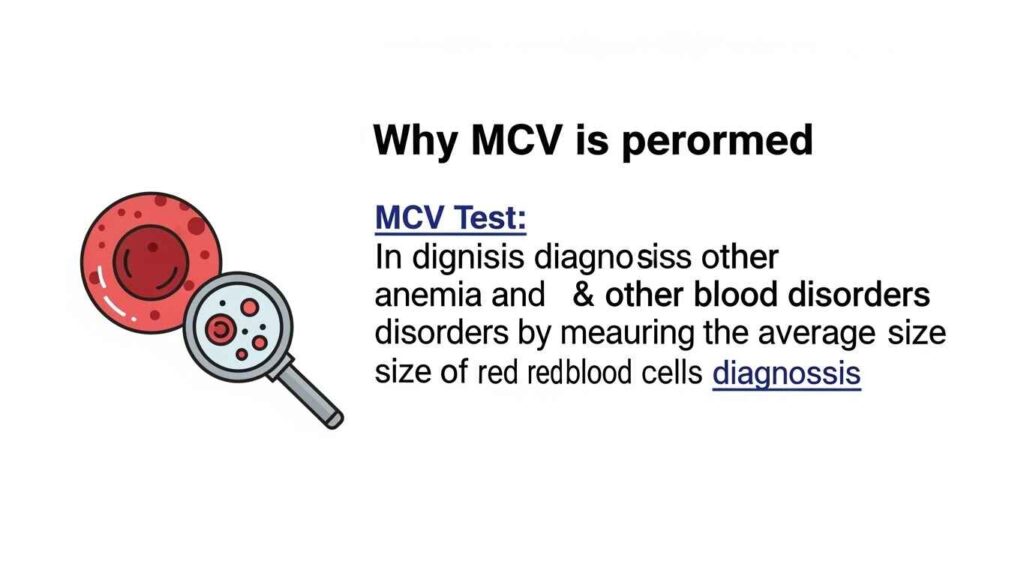
In simple terms, the MCV blood test measures the average size of your red blood cells. This value helps doctors understand your overall blood health and identify different types of anemia or other medical conditions.
In this guide, we will explain the meaning of the MCV blood test, why it is done, how the test works, what normal MCV levels look like, and what high or low MCV results might mean.
This article uses a simple and general tone so anyone can understand the topic easily.
What Is the MCV Blood Test?
The MCV blood test stands for Mean Corpuscular Volume. It tells you how large or small your red blood cells are.
Red blood cells carry oxygen throughout the body, so their size plays an important role in how well they work.
The MCV blood test is part of a standard CBC test that your doctor may order during routine checkups or when evaluating symptoms like fatigue, weakness, or dizziness.
MCV is measured in femtoliters (fL), a very small unit used for tiny cells in the body.
Why Is the MCV Blood Test Important?
The MCV blood test is important because it helps doctors:
- Detect different types of anemia
- Understand why someone may feel tired or weak
- Diagnose vitamin deficiencies
- Check for underlying health issues
- Monitor long-term medical conditions
When red blood cells are too big or too small, it may indicate a health problem. The MCV test gives doctors an early clue to understand what might be going on.
How the MCV Blood Test Works
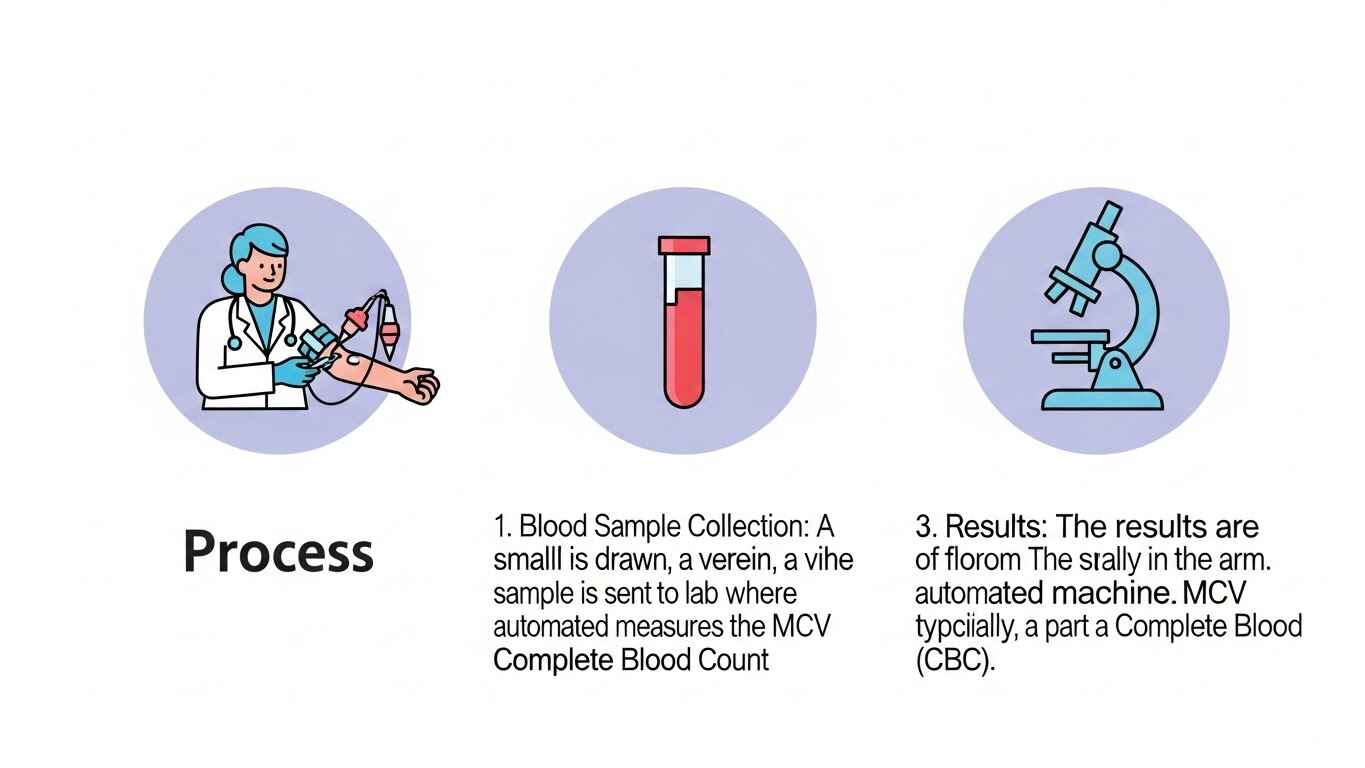
The MCV blood test is simple. A small sample of blood is taken from a vein in your arm. After that, the sample is sent to a laboratory, where machines measure the size of the red blood cells.
You do not need any special preparation for the test unless your doctor tells you otherwise. You can usually eat and drink normally before the test.
Normal Range of the MCV Blood Test
The normal MCV blood test range is usually between:
80–100 femtoliters (fL)
However, the normal range may vary slightly depending on the lab, your age, and your overall health.
- Normal MCV: Red blood cells are normal in size
- Low MCV: Red blood cells are smaller than norma
- High MCV: Red blood cells are larger than normal
Your healthcare provider will help interpret the results based on your symptoms and other test values.
Low MCV Blood Test Results
When the MCV blood test shows a low result (below 80 fL), it means the red blood cells are smaller than normal. This condition is known as microcytosis.
Common Causes of Low MCV
- Iron deficiency anemia – The most common cause
- Thalassemia – A genetic blood disorder
- Chronic diseases – Long-term illness can affect blood production
- Lead poisoning – Rare, but possible in some cases
Symptoms of Low MCV
People with low MCV may experience:
- Tiredness
- Pale skin
- Shortness of breath
- Weakness
- Dizziness
Low MCV often points to problems with hemoglobin production, which is the protein that carries oxygen in the blood.
High MCV Blood Test Results
If the MCV blood test shows a high result (above 100 fL), it means the red blood cells are larger than normal. This condition is called macrocytosis.
Common Causes of High MCV
- Vitamin B12 deficiency
- Folate deficiency
- Liver disease
- Thyroid problems
- Alcohol use
- Certain medications
Symptoms of High MCV
Some people may not have symptoms, but others may experience:
- Fatigue
- Numbness or tingling
- Memory issues
- Weakness
- Trouble concentrating
A high MCV blood test result usually means the body is not producing red blood cells normally due to a lack of vitamins or other health conditions.
MCV Blood Test and Anemia
The MCV blood test is mainly used to classify anemia into different types:
1. Microcytic Anemia (Low MCV)
Red blood cells are too small.
2. Macrocytic Anemia (High MCV)
Red blood cells are too large.
3. Normocytic Anemia (Normal MCV)
Red blood cells are normal size, but you may still have anemia due to blood loss or chronic disease.
Understanding the MCV value helps doctors find the root cause of anemia and plan the right treatment.
What Affects the MCV Blood Test?
Different factors can affect your MCV blood test result, such as:
- Diet
- Vitamin levels
- Hydration
- Medications
- Long-term illnesses
- Genetics
Always tell your doctor about any medicines or supplements you take, as some may influence the results.
How Doctors Use the MCV Blood Test Along with Other Values
The MCV blood test is one part of your CBC. Doctors look at it together with:
- Hemoglobin
- Hematocrit
- MCH and MCHC
- RBC count
Using these values together helps give a complete picture of your blood health.
How to Improve Your MCV Blood Test Results
Improving the MCV blood test results depends on the underlying cause. Common ways include:
For Low MCV (Small Cells):
- Increase iron-rich foods
- Take iron supplements if prescribed
- Treat chronic illnesses
- Check for genetic conditions like thalassemia
For High MCV (Large Cells):
- Eat more vitamin B12 and folate
- Reduce alcohol consumption
- Treat thyroid or liver issues
- Adjust medications if needed
Always follow your doctor’s advice rather than self-medicating.
Foods That Support Healthy MCV Levels
Diet plays a big role in maintaining normal MCV levels. Here are helpful foods:
Iron-Rich Foods for Low MCV:
- Red meat
- Spinach
- Beans
- Lentils
- Pumpkin seeds
B12 and Folate Foods for High MCV:
- Eggs
- Milk
- Fish
- Leafy greens
- Avocado
- Broccoli
Balanced nutrition supports healthier red blood cells and overall energy levels.
Who Should Get an MCV Blood Test?
Doctors may recommend the MCV blood test if you have:
- Constant fatigue
- Weakness
- Pale skin
- Memory problems
- Numbness in hands or feet
- Digestive issues
- Poor nutrition
It is also part of regular checkups to ensure everything is functioning normally.
MCV Blood Test vs. Other Blood Tests
The MCV blood test is different from:
- Hemoglobin tests (check oxygen-carrying ability)
- RBC count (counts number of red blood cells)
- Ferritin (measures iron storage)
- Vitamin B12 tests (checks nutrient levels)
While these tests show different things, the MCV blood test focuses specifically on the size of red blood cells.
When to Discuss Your MCV Blood Test Results with a Doctor
You should talk to your doctor if your MCV blood test results are outside the normal range. Even small changes may point toward health conditions that need attention.
Early diagnosis and treatment can prevent complications and help you feel better sooner.
Conclusion:
The MCV blood test is a simple but powerful tool that gives valuable information about your red blood cell health. It helps detect anemia, vitamin deficiencies, and other health issues.
Understanding your MCV value can guide your doctor in choosing the right treatment and improving your overall well-being.
By following a healthy diet, addressing deficiencies, and getting regular checkups, you can support better blood health and maintain normal MCV levels.
If you have unusual symptoms or your test results are worrying, always speak with a healthcare professional for proper guidance.