
Introduction
Eye twitching is a very common condition that almost everyone experiences at some point. It usually shows up as a small, repetitive movement in the eyelid that you cannot control.
Even though it is generally harmless, eye twitching can be annoying, distracting, and sometimes worrying.
In this complete guide, we will explore what eye twitching is, why it happens, and how you can stop it quickly and safely.
What Is Eye Twitching?
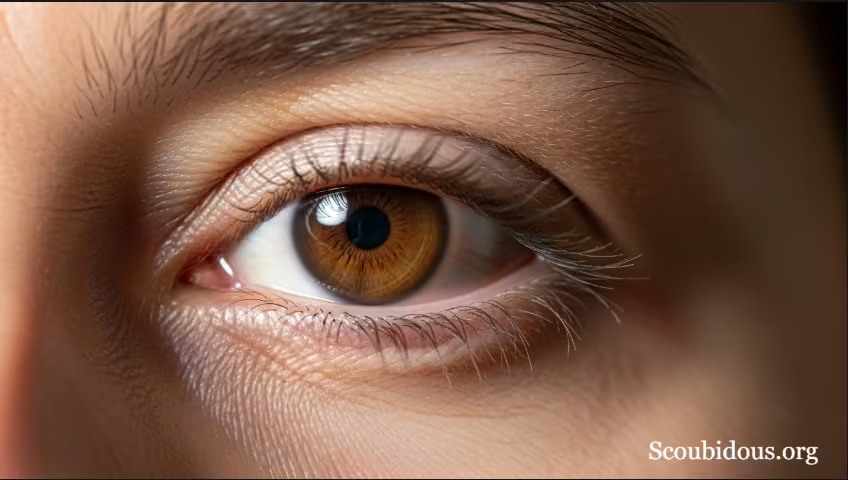
Eye twitching, also known as eyelid spasm, is an involuntary movement of the muscles around the eye. The twitching can last for a few seconds, a few minutes, or sometimes even days.
It is usually painless, but the constant movement can create discomfort. Most people notice the twitch in the lower eyelid, but it can also affect the upper eyelid.
The good news is that eye twitching is usually temporary and not a sign of any serious health problem.
Common Causes of Eye Twitching
Understanding the causes of eye twitching can help you manage it better. Here are the most common reasons behind this condition:
1. Stress and Anxiety
One of the biggest triggers for eye twitching is stress. When you are worried, tired, or overwhelmed, the body reacts in different ways, and muscle spasms—including those around the eye—can occur.
2. Lack of Sleep
Not getting enough sleep can create tension in the facial muscles. This often leads to eye twitching, especially when accompanied by fatigue or long working hours.
3. Eye Strain
Spending too much time on screens, such as phones, laptops, or TVs, can cause eye strain. Eye strain puts pressure on the eye muscles and increases the chances of eye twitching.
4. Caffeine and Energy Drinks
Drinking too much caffeine or energy drinks can overstimulate the nervous system. This may cause small muscles around the eyes to twitch repeatedly.
5. Dry Eyes
Dry eyes can create irritation and sensitivity. When your eyes are not properly lubricated, the nerves around the eye become more active, which may lead to twitching.
6. Allergies
People with allergies often rub their eyes. This releases histamines into the eyelid tissues, causing itching, twitching, and swelling.
7. Nutritional Deficiencies
In some cases, low levels of magnesium, potassium, or vitamin B12 can cause muscle spasms, including eye twitching.
8. Alcohol Use
Drinking too much alcohol may cause dehydration and nervous system stimulation, both of which can contribute to eye twitching.
Types of Eye Twitching
Eye twitching comes in different forms. Knowing the type can help you identify the right approach to fix it.
1. Minor Eyelid Twitching
This is the most common and harmless form of eye twitching. It usually affects just one eye and goes away on its own.
2. Benign Essential Blepharospasm
This is a more serious type where both eyes twitch uncontrollably. It is rare and usually affects middle-aged or older adults.
3. Hemifacial Spasm
This type involves twitching on one side of the face, not just the eye. It is usually caused by nerve irritation.
Symptoms of Eye Twitching
Eye twitching has some clear signs, including:
- Repetitive blinking
- Mild vibration or shaking in the eyelid
- Muscle spasms near the eye
- Sensation of heaviness or tiredness around the eyes
- Occasional light sensitivity
Most symptoms are mild and not painful, but they can be irritating when they continue for long periods.
How to Stop Eye Twitching Quickly
If eye twitching is bothering you, here are simple and effective ways to stop it naturally:
1. Reduce Stress
Relaxation techniques can help calm your nerves. Try:
- Deep breathing
- Meditation
- Light exercise
- Listening to calming music
A relaxed mind reduces eye twitching significantly.
2. Improve Sleep Quality
Aim for at least 7–8 hours of sleep per night. A well-rested body helps prevent eye muscle spasms.
3. Take Screen Breaks
Follow the 20-20-20 rule:
Every 20 minutes, look at something 20 feet away for 20 seconds.
This reduces eye strain and prevents twitching.
4. Limit Caffeine
Cut down on caffeinated drinks like coffee, tea, sodas, and energy drinks. Reducing caffeine intake often stops eye twitching within days.
5. Use Warm Compress
A warm compress relaxes the eye muscles. Place a warm cloth over your eyes for a few minutes to ease twitching.
6. Stay Hydrated
Dehydration can cause muscle spasms. Drinking enough water throughout the day helps reduce eye twitching.
7. Manage Allergies
If allergies cause your eye twitching, avoid rubbing your eyes. Use allergy-safe methods to reduce irritation.
8. Correct Nutritional Deficiencies
Make sure you get enough:
- Magnesium
- Potassium
- Vitamin B12
Eat foods like nuts, bananas, leafy greens, and fish to support muscle health.
Eye Twitching in Children
Eye twitching can also occur in children, usually due to fatigue, dehydration, or stress.
It is important to watch their screen time and ensure they get enough rest. Most cases in children are harmless and go away naturally.
Is Eye Twitching a Sign of Something Serious?
While eye twitching is usually harmless, it can sometimes indicate a more serious issue. Seek medical help if:
- Twitching lasts for several weeks
- The eyelid completely closes with each twitch
- Twitching affects other parts of the face
- Your eye becomes red or swollen
- There is difficulty keeping the eyes open
These may be signs of underlying nerve or muscle conditions.
How to Prevent Eye Twitching
Preventing eye twitching is possible by taking care of your lifestyle and habits. Here are some preventive tips:
1. Keep a Healthy Sleep Routine
A stable sleep schedule supports muscle and nerve health.
2. Reduce Screen Time
Too much screen use is one of the biggest modern causes of eye twitching. Take regular breaks and use proper lighting.
3. Stay Hydrated Daily
Drink water often to keep your muscles functioning properly.
4. Eat a Balanced Diet
A diet rich in vitamins and minerals helps reduce muscle spasms.
5. Manage Stress Levels
Chronic stress can lead to long-term eye twitching. Practice hobbies, relax, and take breaks.
6. Protect Your Eyes
Use sunglasses when outdoors, and avoid rubbing your eyes to prevent irritation.
When to See a Doctor
If eye twitching becomes consistent or severe, it is better to get a professional opinion. A doctor may check for nerve issues, muscle imbalances, or other underlying conditions. Early diagnosis ensures proper treatment.
Conclusion:
Eye twitching is a common and usually harmless condition that affects people of all ages. While it may feel annoying, it often stops on its own with simple lifestyle changes.
By reducing stress, getting enough sleep, managing screen time, and staying hydrated, you can prevent or reduce eye twitching easily.
Understanding the causes, symptoms, and prevention techniques helps you take better care of your eyes. If the twitching continues for a long time or becomes severe, make sure to seek medical advice.
Eye twitching may seem small, but with the right steps, it can be managed successfully and comfortably.